

As the world accelerates its shift toward cleaner energy, hydrogen is emerging as a cornerstone in global sustainability strategies. Yet, unlocking hydrogen’s full potential depends on how effectively it can be stored and distributed. The choice of hydrogen storage solutions—ranging from compressed gas to advanced solid-state methods—directly shapes the feasibility of using this versatile energy carrier across industries, transportation, and modern power grids. Efficient, scalable, and safe storage is essential for integrating renewable sources and meeting tomorrow’s energy demands.
Understanding the need for hydrogen storage
The unique value of hydrogen lies in its ability to capture and store surplus energy generated by intermittent renewables like wind and solar. Robust hydrogen storage ensures a steady supply even when production fluctuates or consumption spikes. Without efficient storage, widespread adoption could stall due to mismatches between energy generation and real-world demand.
Also read : How Can Businesses Leverage Technology for Sustainable Growth?
Storage technologies also influence infrastructure investments and safety standards. By bridging the gap between clean energy production and practical use, they are fundamental to expanding the hydrogen economy and enabling reliable integration of renewables.
Main hydrogen storage solutions in use today
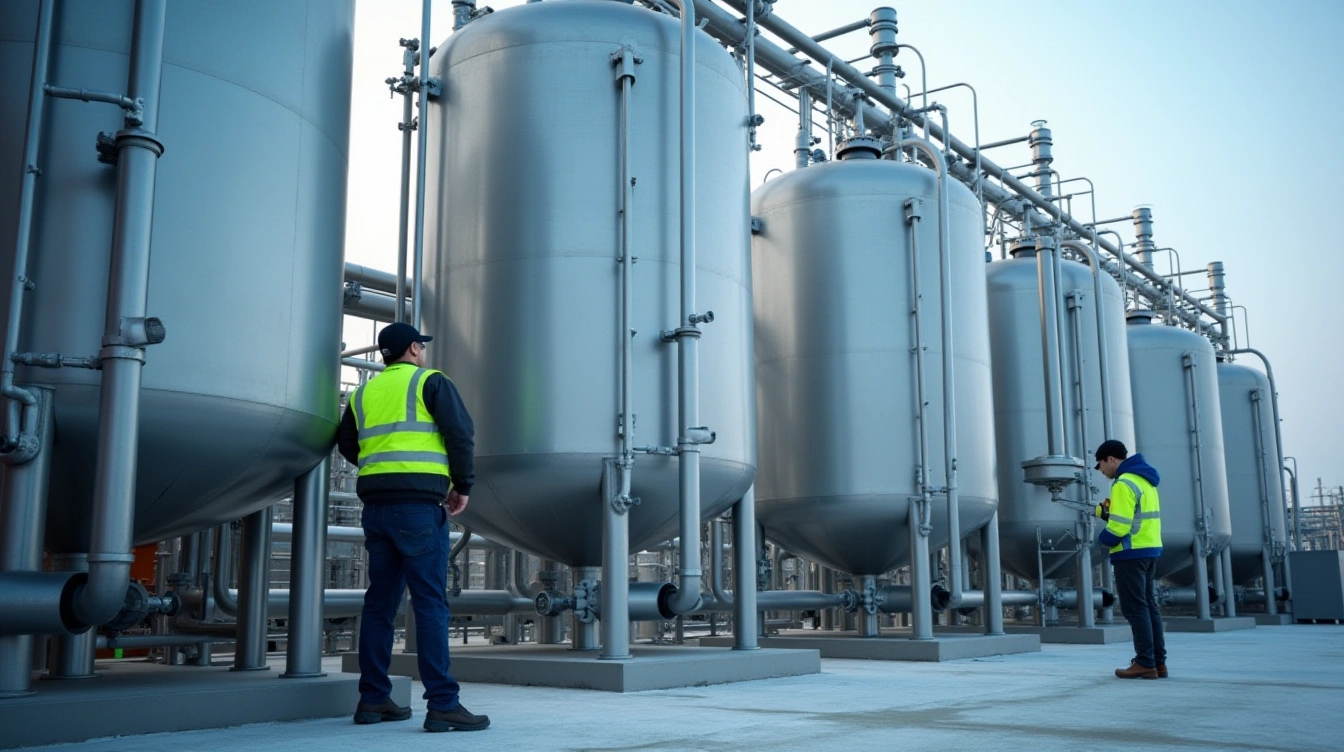
A diverse range of hydrogen storage solutions has been developed, each tailored to specific needs and settings. These approaches exploit differences in physical state, chemical processes, or geological formations to optimize efficiency, safety, and cost-effectiveness. To learn more about hydrogen storage solutions at vallourec, consider exploring expert resources that delve further into these innovative approaches.
Also read : How Are UK Businesses Adapting to the Latest Technological Advancements?
Each method offers distinct advantages and trade-offs, from capital costs to storage capacity and scalability. The right solution depends on intended application, required storage capacity, and local infrastructure readiness.
Compressed gas storage and liquid hydrogen storage
Compressed gas storage is one of the most established methods, involving hydrogen pressurized inside robust cylinders or specialized hydrogen storage tanks. Pressures up to 700 bar enable compact storage—a key factor for fuel cell vehicles and other mobile applications where space is at a premium.
In contrast, liquid hydrogen storage cools hydrogen to approximately -253°C, turning it into a dense liquid. This allows for much greater storage capacity within the same volume, making it ideal for large-scale facilities, aerospace projects, and sectors requiring high-density, long-duration energy reserves.
Solid-state storage and chemical hydrogen storage
Solid-state storage captures hydrogen within materials such as metal hydrides or activated carbons, allowing storage at lower pressures and moderate temperatures. This enhances storage safety while offering promising mobility for portable devices and wearable technology. Although energy input is needed to release hydrogen, these systems provide high efficiency and adaptability for emerging applications.
Chemical hydrogen storage embeds hydrogen in liquid or solid carriers, which later release it through controlled reactions. This enables decentralized storage and transport but presents challenges around reversibility and extraction efficiency, impacting overall practicality for widespread use.
Large-scale and underground hydrogen storage approaches
Meeting the demands of a growing hydrogen infrastructure requires solutions beyond surface tanks. Underground storage uses natural formations—like depleted gas fields, aquifers, or salt caverns—to safely contain bulk quantities of hydrogen. These sites offer protection against leakage and can accommodate seasonal or backup supplies with minimal land usage.
Successful implementations worldwide show that, with careful site selection and vigilant monitoring, underground storage reliably supports grid stability and broadens renewable energy integration. It is pivotal for balancing regional fluctuations in both production and demand.
An additional approach involves hydrogen carriers, which add flexibility to supply chains. Substances such as ammonia or liquid organic hydrogen carriers (LOHCs) temporarily bind hydrogen, making long-distance transport safer and more efficient. Upon arrival, these carriers release hydrogen for end-use, supporting international trade and cross-border energy collaboration.
This strategy helps overcome limitations linked to direct gaseous or liquid hydrogen transport, reducing losses and easing logistics in remote or less-developed regions.
Scalability, safety, and storage capacity considerations
Every hydrogen storage method must address three core priorities: storage safety, scalability, and capacity. Safety standards shape everything from material selection to pressure management, aiming to prevent leaks and ensure secure operation. For large-scale systems—especially underground or chemical-based—the stakes are even higher, demanding rigorous oversight.
Scalability determines whether a technology suits small mobile devices or vast national reserves. Underground storage and advanced solid-state options stand out as particularly promising for meeting rising demands without imposing excessive infrastructure costs or risks.
- ⛽ Compressed gas storage: Preferred for transportation and rapid refueling scenarios
- ❄️ Liquid hydrogen storage: Suited for high-density, long-distance requirements
- 🪨 Solid-state storage: Safe and adaptable for smaller-scale or portable uses
- 🧪 Chemical hydrogen storage: Effective for distributed networks and innovative export models
- 🏞️ Underground storage: Optimal for large-scale backup and renewable integration
Summary table: comparison of hydrogen storage solutions
| 🔍 Solution | ⚖️ Typical capacity | 📏 Scalability | 🛡️ Storage safety |
|---|---|---|---|
| Compressed gas storage | Medium | Good for vehicles, limited for grid | Requires high-pressure safeguards |
| Liquid hydrogen storage | High | Suited to industrial/logistics scale | Needs extreme cold system checks |
| Solid-state storage | Low–medium | Promising for small/portable devices | Stable, mostly at atmospheric pressure |
| Chemical hydrogen storage | Variable | Flexible; supports remote supply | Dependent on carrier and reaction control |
| Underground storage | Very high | Pivotal for grid and seasonal needs | Robust if geologically sound |
Expert insights: frequently asked questions about hydrogen storage
What factors determine the choice of a hydrogen storage solution?
Several criteria influence the choice of hydrogen storage solution, including the specific application (stationary vs. mobile), required storage capacity, available infrastructure, safety regulations, and budget constraints. For example, underground storage is well-suited for long-term grid support, while transportation often relies on compressed gas tanks.
- 🚗 Transport needs: Compact, refillable solutions preferred
- 🏭 Grid/storage: Focus on bulk handling, cost, and renewables integration
- 🔒 Safety: Materials and containment chosen to mitigate risk
How does renewable energy integration benefit from hydrogen storage?
Hydrogen storage acts as a buffer for excess electricity produced by wind or solar farms. Surplus energy is converted into hydrogen and stored, then reconverted to electricity or heat during periods of low production. This process increases grid reliability and supports decarbonization across multiple sectors.
- 🔋 Smooths peaks and valleys in energy supply and demand
- ♻️ Enables longer-term energy retention than batteries alone
- 🌎 Broadens renewable coverage and energy diversity
Are there unique safety challenges with hydrogen storage?
Yes, hydrogen storage presents distinctive safety concerns. Its low ignition threshold and wide flammability range require meticulous leak prevention and ongoing monitoring. Each storage type—be it compressed gas, liquid, or chemical—demands tailored safety protocols based on operating conditions and equipment.
- 🛡️ Frequent inspections of storage tanks and systems
- 🔥 Fire detection and active ventilation
- 🚨 Real-time sensors for early warning of issues
Which hydrogen storage solution is most scalable?
Underground storage currently leads in scalability for bulk, seasonal, or national-level applications. Advances in chemical and solid-state storage may soon rival this potential as technologies mature. Ultimately, the best solution depends on project scale, regulatory context, and geographic suitability.
| 📦 Solution | ⬆️ Max scalability |
|---|---|
| Underground storage | National/regional grids |
| Liquid/compressed gas | Industrial fleets, stations |
| Solid-state | Portable/personal devices |
In summary, the landscape of hydrogen storage solutions is both dynamic and diverse, reflecting the varied needs of a rapidly evolving clean energy sector. As technologies advance and new breakthroughs emerge, these storage options will play an ever-greater role in shaping a resilient, sustainable energy future. The continued pursuit of safer, more scalable, and higher-capacity methods promises to unlock further opportunities for hydrogen in the transition to net-zero emissions.